@esietukeme

Concerned Millennial and Connector

  • My Reflections on COSP16

    *This article was published on LinkedIn in July 2023
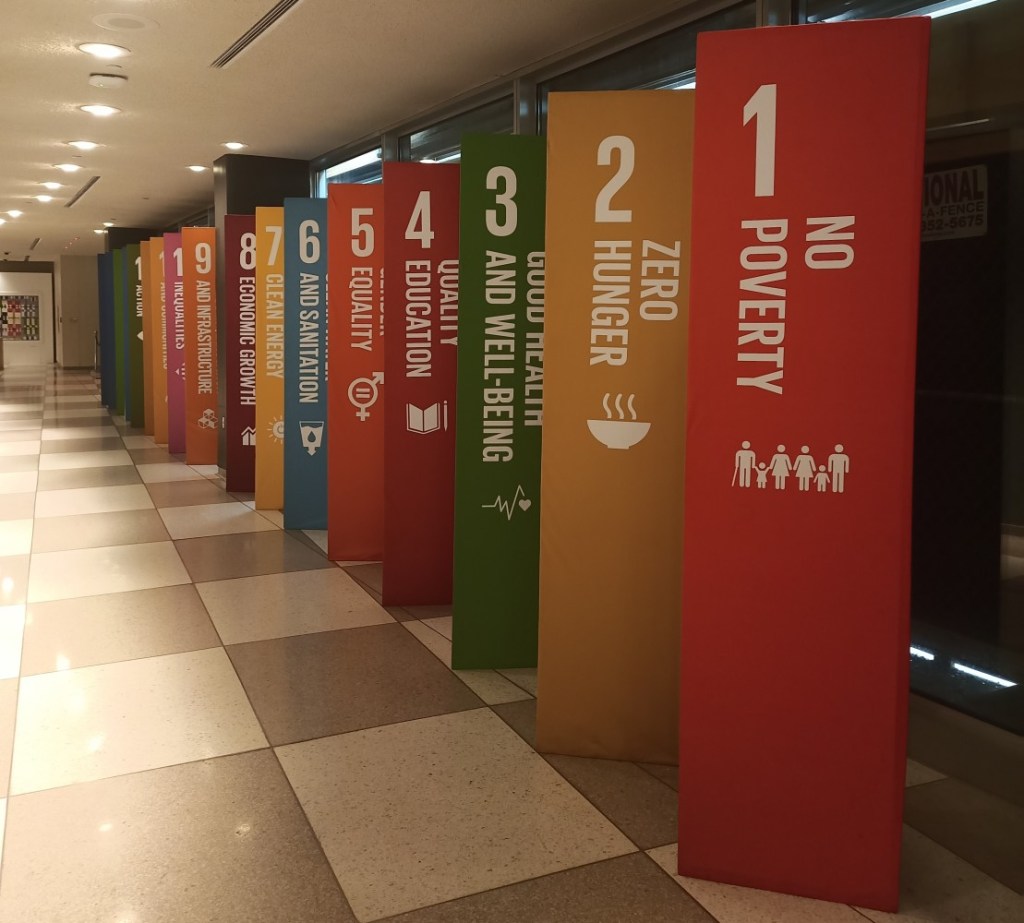
    United Nations Headquarters

    Last month, I was in New York and had the opportunity to attend the 16th Conference of State Parties on the Convention on the Rights of Persons with Disabilities (COSP16) at the UN Headquarters in Manhattan.

    I must confess that I was a bit apprehensive about attending the conference. I am neither a disability subject expert nor do I have much diplomatic experience, but I came to accept that I would be attending the conference to learn from the experience and expertise of others. I also found out that the issue of sexual and reproductive health and rights of people with disabilities (PWDs) was a sub-theme of this edition, and so I felt more confident that I would be able to create some value for my employer.

    As such, I decided that my objectives for the conference were to: learn about ensuring young people living with disabilities have access to SRH services; and acquire informative materials on disability issues to contribute to AHI’s programmatic efforts.

    A few days after I arrived in NYC, I went to get my first UN Grounds Pass from the UN Pass and ID Unit on East 45th Street. I went there in jeans and a hoodie because I was still acclimating to the weather differential between NYC and Lagos – that weird zone of being slightly cold and weirdly hot simultaneously. When I got there, most of the men were wearing suits and ties, so I immediately felt out of place. Talk about imposter syndrome. I was eventually able to submit the required documents proving my identity, that I was from an accredited organization, and that the head of the organization had approved me to receive a pass.

    After I received my pass, I made my way to the UN Headquarters through the UN Visitors’ Centre and stopped by the Civil Society Forum that was being held the day before the main conference kicked off. It was an awesome feeling being in the conference room with representatives from global organizations who had come to ensure that the rights of persons with disabilities were protected and promoted.

    Over the next three days, I had the chance to hear from UN Secretary-General António Guterres; Ghanim Al Muftah, the Youth Representative from Qatar; Sadam Hanjabam of Ya_All: The Youth Network, Manipur, India; and others about the issues facing PWDs.

    The first crucial insight that I gained was that 1.3 billion people live with significant disabilities globally. This means that 1 in 6 persons is currently experiencing a disability, according to the WHO, and almost everyone will temporarily or permanently experience disability at some point in their life.

    I also learned that people living with disabilities are also three times more likely to experience forms of violence than those without disabilities. They also experience multiple forms of intersectional discrimination based on their identities. People may discriminate against them because of their disability, but also because of their race, gender, and sexual orientation.

    The organizations participating in COSP16 also pointed out that people living with disabilities tend to have lower levels of literacy, which results in lower levels of technology literacy, which leads to lower levels of health literacy as the providers increasingly digitalize the resources they need.

    Lastly, I learned that despite these differences, people living with disabilities, particularly young people living with disabilities, share the same concerns about sexual experience, identity, etc. as their other peers. One particularly informative video shown by United Nations Population Fund (UNFPA) depicted the experience of a young person living with a disability and their experience trying to establish a romantic relationship with a peer. The video showed how stereotypes negatively influenced the experience and how much learning the rest of us need to do to ensure that people living with disabilities (PLWDs) can fully enjoy their human rights.

    I cannot now claim to have become an expert on disability issues, but I have come back from that experience with a greater appreciation of the struggles that PWDs face and the need to do my part to ensure that they are not marginalized or ignored.

    Upon my return to Lagos, I recommended that AHI:

    • Utilize the resources I obtained during COSP16 to inform AHI’s programming and grant writing.
    • Provide training to healthcare workers to ensure they treat PLWDs with dignity and respect and avoid stereotypes.
    • Provide information in accessible formats such as easy-read, braille, audio recordings, and sign language translations.
    • Provide Disability Equality Training (DET) to AHI staff and program beneficiaries to contribute to a positive change in attitude by non-disabled course participants.

    As time progresses, we are taking more steps to ensure that we carry along as many people as possible. Some changes will require spending more to get across our message about the need to listen to the voices of young people and address their reproductive health and development needs.

    I am glad I attended COSP16 and I hope that by COSP17 I’ll be able to share the strides that we have made. I think I also have a sense of what makes international development conferences so exciting to attend and I look forward to further immersing myself in the field.
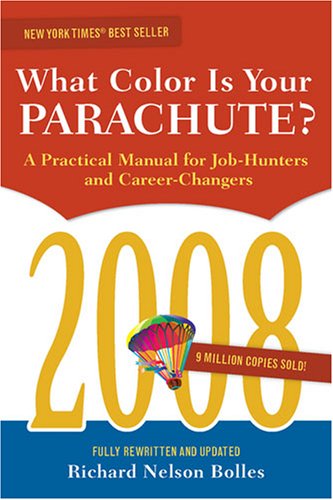
  • What Color Was My Parachute? 🤔
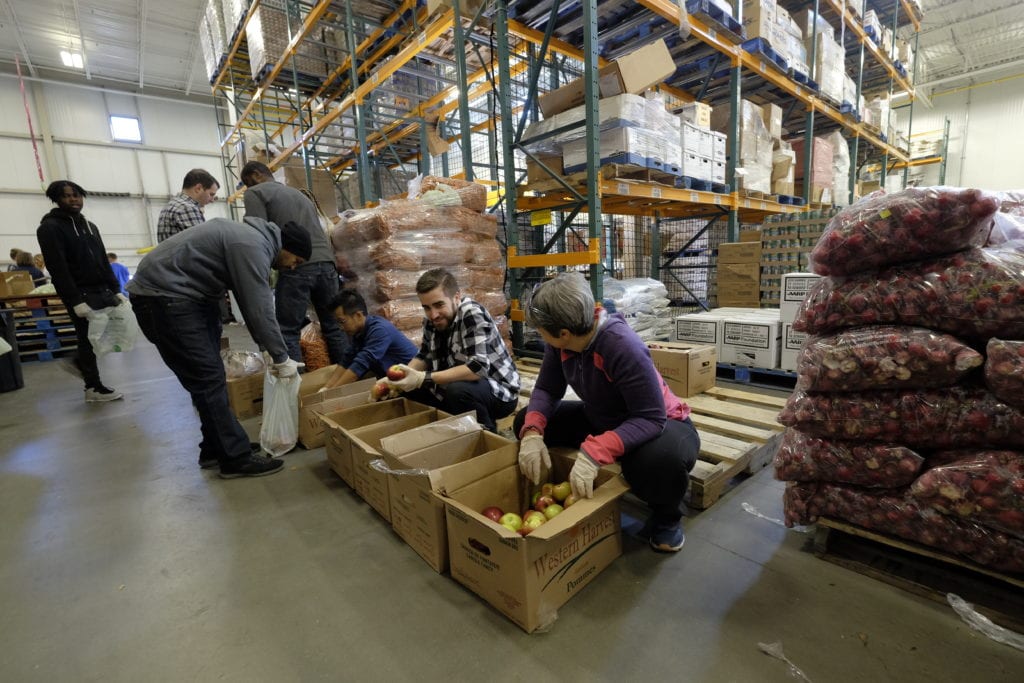
    Volunteers sorting produce provided by the Capital Area Food Bank in 2019. Photo Credit: Capital Area Food Bank

    From June to August 2008, when I was an undergrad at Assumption College (now Assumption University, whoo!) I participated in a guided internship programme at the Capital Area Food Bank for credit in my Management course.

    A significant component of that internship, aside from the actual work at the Food Bank addressing food insecurity in the Washington, DC Metropolitan Area, was my work with my amazing academic advisor, Dr. Bart Morrison.

    One thing that Dr. Morrison had me do as part of my coursework was read What Color is Your Parachute by Richard Nelson Bolles and work through the exercises.

    I have to admit that I really struggled with it. I was one of those undergraduates that mostly did well in my courses (except French, and briefly Calculus [until the fantastic Professor Joyce Brown made extra time to make sure I understood the concepts]) but I was also quite directionless. I knew I wanted to succeed and I had a few ideas about what I liked, but I struggled with deciding what exactly I wanted to consistently focus my time and energy on.

    So, reading WCiYP was tough. I remember it as a book that had you look at, and around, yourself to figure out what direction to go in. I would procrastinate on the exercises and sometimes only put in minimal effort. In hindsight, I was uncomfortable with being asked to make a decision and I was worried about making the wrong choice. Being a perfectionist and a procrastinator is definitely a bad combination.

    However, Dr. Morrison persisted and made sure that I worked through the book. With his guidance I finally made it to the end and had something of a plan. That plan then helped me as I figured out my path during my senior year as I was job hunting and beyond. It helped me sort through all the options being shared with me by Career Services.

    In the nearly decade and a half that have passed, it’s not that things have gone exactly according to that plan, but I’ve since learned that it’s better to make a decision (even a wrong one!) than to leave things completely to chance. Making a decision gives you agency and provides a vantage point to reassess your path. Reading that book also set me off on a path searching for a meaningful career that allows me to make a positive impact on the world. It’s a journey I’m still on today.

    It’s better to make a decision than to leave things completely to chance.
    Making a decision gives you agency and provides a vantage point to reassess your path.

    I’ll share the WCiYP plan if I can go far back enough into my archives (it was 2008 after all). It will be good to go through it and see if it still rings true.

    Thanks for reading!

    tl;dr

    1. Read “What Color is Your Parachute” by Richard Nelson Bolles if you’re looking to make a career change or start your career
    2. Always try to make a decision. Even making a bad choice is better than indecisiveness.
    3. Look out for people who are genuinely rooting for your success. They come in many shapes and forms.
  • What I Learned from Denrele Edun at Social Media Week Lagos

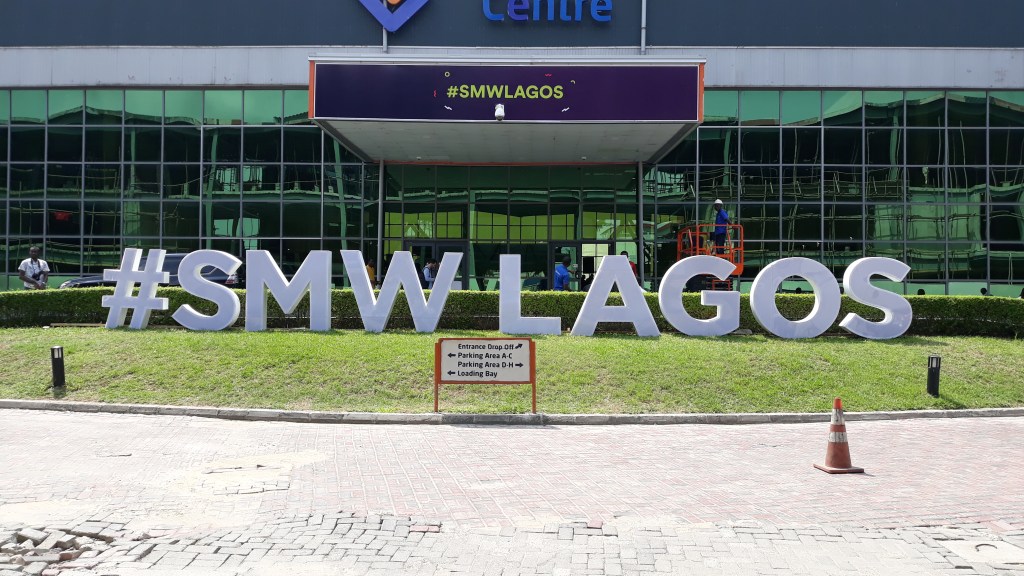
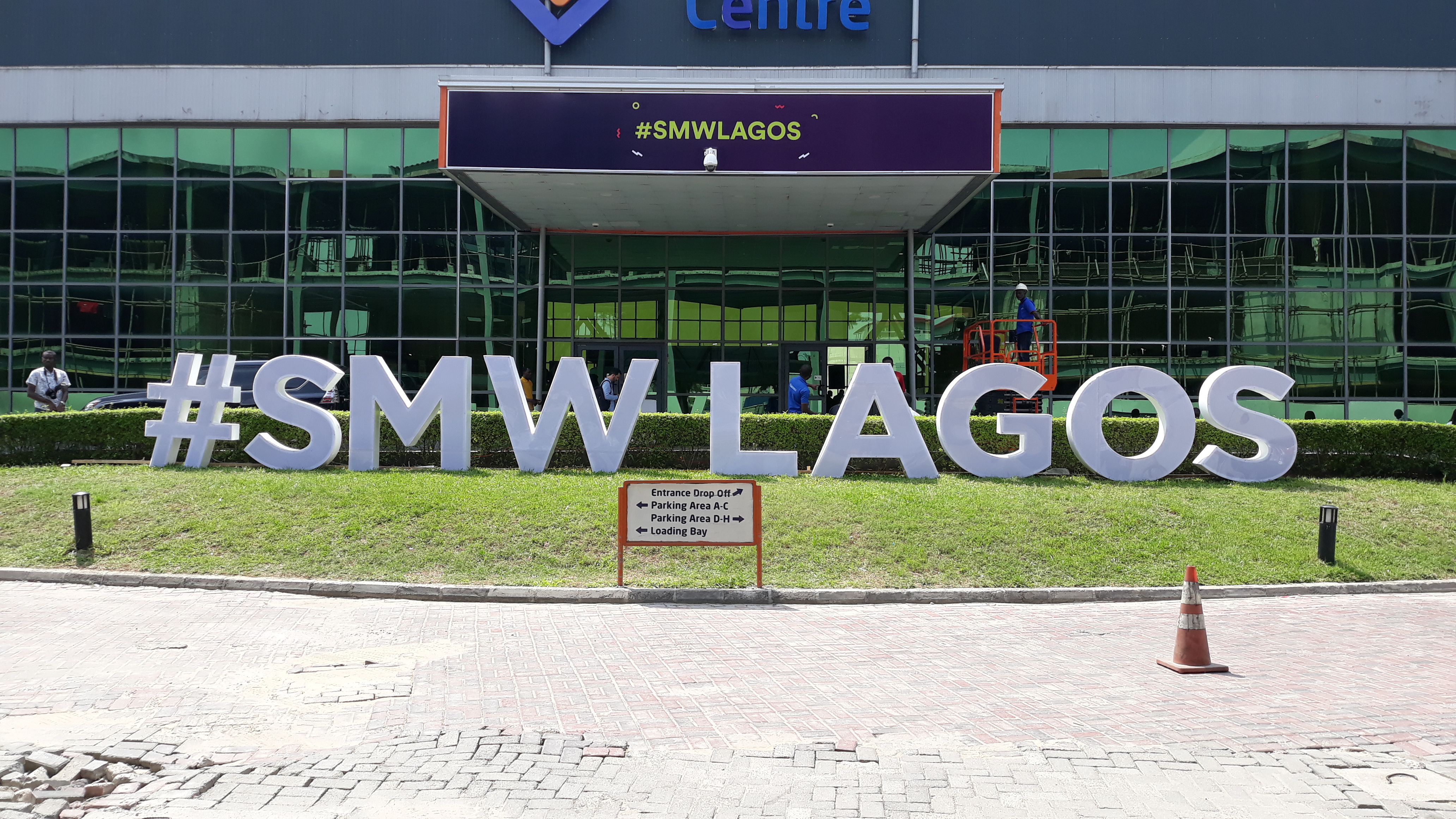
    Photo of the Entrance of Landmark Centre during #SMWLagos 2019
    Landmark Centre during #SMWLagos 2019

    It has been about two weeks since Social Media Week Lagos and I’m still processing the experience. Again, I must commend the organizing team for doing a great job and really creating a space where social media enthusiasts and professionals can interact and learn from each other. My only recommendation would be to include more relaxation/sitting areas.

    One thing I promised to do after #SMWLagos2019 ended was to write about Denrele Edun, specifically about what I learned from observing him on the floor of the event.

    Here I go!

    Everyone knows Denrele – even if you live under a rock and actively refuse to keep up with Nigerian pop culture. He is very energetic, has a unique fashion sense, and seems to always speak his mind. That’s really all I knew about him before we met. I’d only ever seen him on TV, in the papers, and in videos on social media.

    I noticed him in the audience during one of the fashion panels — I was there to make a connection for work and assumed that it would just be like having another high-profile attendee at an SMW panel: look good for the photos, take a few selfies with some lucky fans, then bounce. I was wrong.

    The first thing I realized after the panel ended was that Denrele really worked the floor. I mean, people were approaching him for selfies, but he was also actively approaching people and eagerly interacting with them. I also noticed that it was hard for me to distinguish between who her really knew and who he had just met, because he was equally engaged in all his interactions. Lastly, I noted with much surprise that he could really rock those platform shoes, even to the extent that the ladies around me were visibly and audibly impressed.

    So, what did I learn?

    1. Give people your full attention and treat them the way you would want other people to treat you.
    2. Don’t feel too big to interact genuinely with others and make them feel significant.
    3. Stay true to yourself and your brand, because people can sense when you’re genuine and will reciprocate.
    4. If you go the extra mile, you’ll get the best results from your efforts.
    5. Leave a lasting impression.

    I can’t forget how taken aback I was by what Denrele said when I eventually approached him. I’m paraphrasing but he essentially said, “I know you’re going to help my progress.” A winning attitude if there ever was one.

    So why did I write this? Because:

    • You never know where you’ll learn a lesson and who you’ll learn it from.
    • To appreciate Denrele. I know that Goldie’s memorial was tough for him.
    • I could (and I did). That’s part of my motto for 2019.

    Thanks for reading and have a nice day!


    Note: A version of this article first appeared on one40plus tMe on February 22, 2019

  • Citizen Solutions will Transform the Developing World

    *This post first appeared as a Perspectives article on the New Cities Foundation website.

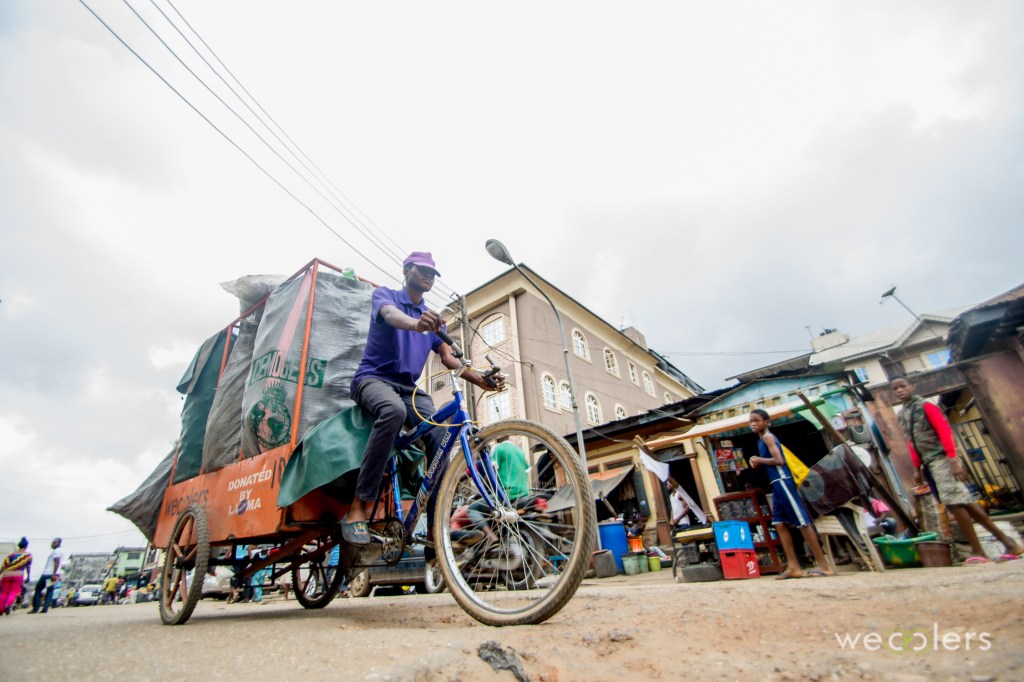
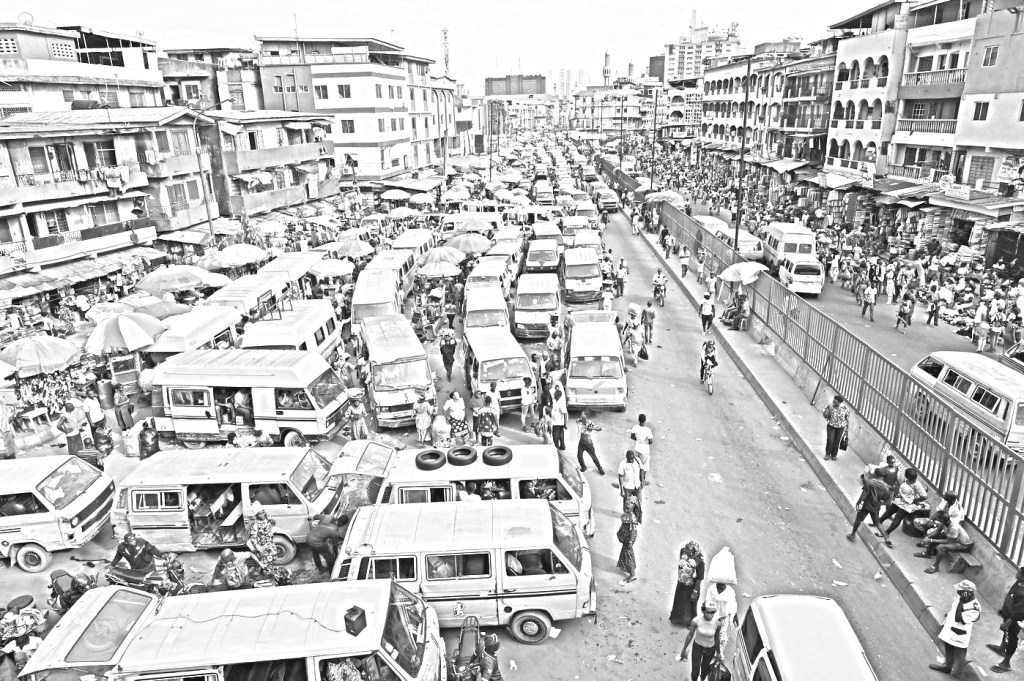
    Cities in developing countries like Nigeria and India have a lot in common. They are dealing with the challenge of growing populations that put pressure on public services and physical infrastructure, and the municipal governments in these cities face significant resource constraints.

    These conditions offer opportunities for social entrepreneurs and community-based groups to provide citizen-led interventions. They can develop solutions that fill the void when services are non-existent, or provide alternative or complementary offerings where pre-existing services are available.

    Can these entrepreneurial, citizen-led initiatives be sustainable in situations where there are gaps in services and government resources are limited? At Wecyclers, we think the answer is yes — particularly if these initiatives focus on solving important problems, utilize external support, embrace new technology and engage with the government.


    Focus on the solution

    First, it is essential that entrepreneurial initiatives remain focused on their mission. They must concentrate on meeting needs and solving problems that led to their creation in the first place. In an age of urban tech, startups and ‘disruption’, a startup’s mission is the basis of their value. Staying focused on this objective also helps to ensure that scarce resources are well allocated. Wecyclers was born in response to the urban waste crisis in Lagos, maintaining the mission of incentivizing waste collection and increasing the amount of waste recycled across Nigerian cities. Wecyclers now creates tangible value for households at the bottom of the economic pyramid based on the waste they produce.

    Our founders discovered that up to half of the waste generated in Lagos was not formally collected and that less than 20% of recyclable waste was being diverted from landfills. They focused on solving this problem by designing a model that benefits households in affected communities. This constant focus led to the creation of household collection services, company recycling programs and clean-up exercises that have helped to improve the health of the environment by recycling 3,000 metric tons of waste, provided goods and cash incentives to low-income households and created over 100 jobs in waste recycling.


    Harness external support

    Second, the support from private sector organizations, including companies and NGOs, contribute to the sustainability of entrepreneurial, citizen-led initiatives by helping to increase their reach through advertising and awareness campaigns, capacity-building and leadership development programs and enabling capital investments. Wecyclers has benefitted from relationships with companies that believe in socially responsible business practices and NGOs focused on sustainable development. These organizations have helped to improve our visibility, enabled large-scale programs like clean-up days, and enhanced our management operations.

    A recent cleanup campaign sponsored by DHL and Leadway Assurance attracted volunteers, community members, and state government representatives to conduct simultaneous cleanup exercises in Sango Ota (Ogun State), Bodija-Ibadan (Oyo State) and Ilashe Beach (Lagos State). The support from these companies made it possible to engage three separate communities in recycling efforts.


    Embrace technology

    Third, embracing new technology can increase the effectiveness of citizen-led initiatives by supporting community engagement, improving internal operations, and enabling adaptation to changing conditions. Technology is an essential part of Wecyclers. Our SMS platform enables us to update our customers on collection schedules, the quantity of materials they’ve recycled, and alert them to opportunities to redeem rewards for participating in our program.

    Technology also enables our team to collaborate between our head office and collection hubs and to build and maintain relationships with our international partners. We also use social media to engage with the global community, educate our followers about recycling, share updates about our progress and outreach programs and keep updated with trends influencing our work.


    Engage with government

    Fourth, engaging with the Government contributes to the sustainability of citizen-led, entrepreneurial initiatives by facilitating operations, increasing credibility with customers and partners and creating collaborative opportunities for greater impact. Wecyclers has benefitted greatly from the Lagos State Government’s progressiveness and openness to working with organizations that provide solutions to Lagosians’ challenges. Finding common ground, where our work aligned with the Government’s vision for waste management in Lagos State was key.

    Government support, for example, has helped expand Wecycler’s waste collection and processing services into two new local government areas, and create 120 new jobs and eight micro-enterprises to reach an additional 68,000 Lagosians. This investment also serves as a significant endorsement of the Wecyclers model – and the government of the fifth largest economy in Africa can set the pace for other Sub-Saharan cities to follow.
    Our relationship with the Government also exemplifies the successful combination of top-down and bottom-up problem-solving approaches. The government drives policy and provides regulatory oversight while also empowering social enterprises to engage with communities and efficiently provide services on their behalf. With the right support, they are letting citizens lead the way in meeting immense needs in Lagos, while experimenting with new models for service delivery.


    Social service startups

    Additionally, entrepreneurial, citizen-led initiatives can function as social service startups. Operating at a startup scale provides the flexibility to test strategies and product offerings without the bureaucratic constraints that could prevent innovation in more established companies or government agencies. Startup-minded problem solvers can incorporate community feedback much faster to arrive at effective solutions. These types of startups attract people who are passionate and invested in addressing issues affecting their communities. This motivates them to overcome the obstacles faced by social entrepreneurship and develop solutions that fit into the context of their communities.

    In the long-term, the goal of such startups is to solve the problems that spurred their creation so limited resources can be devoted to solving other problems. When most of Nigeria’s recyclable waste is diverted from landfills and being put into productive reuse, Wecyclers will be able focus our collective resources on other ways to improve the livelihood of low- and middle-income households and our natural environment.


    Social enterprise and the future of citizen-led solutions

    People are identifying problems and working on innovative solutions, if they are supported by their governments and are able to further develop these solutions, there will be enormous benefits for their communities and beyond. For example, support from the Lagos State government is enabling Wecyclers to have greater impact across the state. Eventually, increased support from international and multilateral organizations will allow us to spread our model across the globe.

    Wecyclers is not the only social enterprise in Nigeria that has embraced this model. Sun Stretch Solar, LifeBank, Comprehensive Design Services, and Bridge International Academies are among the citizen-led social enterprises that demonstrate this model. These initiatives contribute to the democratization of access to services; provide residents of marginalized communities with needed alternatives; and when they are supported by the private sector or government, they could be scaled-up to meet the needs of larger portions of the urban community.

    This process will spur meaningful and lasting development because the problems are being solved by those people who are most affected. They are truly citizen-led solutions. We believe that if more social enterprises are allowed to adopt this strategy, it will contribute to a paradigm shift, creating new blueprints for problem-solving across the developing world.

  • Nigeria’s Urbanization Prospects

    Did you know that, in addition to having a massive population, Africa is still 60% rural? Maybe you already did, but did you also know that population statisticians expect the continent to be 56% urban by 2050?

    Moreover, while the global rural population is set to peak in the next decade or so, did you know that 90% of the global urban population’s 2.5 billion increase is expected to be in Africa and Asia?

    These are just two of the findings from the United Nations’ World Urbanization Prospects published in 2014. In this post, I’ll drill down on the key findings as they relate to Nigeria.


    Nigeria on the rise

    Nigeria has the largest rural population in Africa at 95 million and is expected to increase this number by an additional 50 million by 2050. But Nigeria not only leads in rural dwellers, it also leads in urban population.

    Nigeria went from 30% urban in 1990 to 47% urban in 2014 and is expected to be 67% urban in 2050. Between 2010 and 2015, Nigeria experienced an average annual rate of urban population increase of 1.9%, second only to Burkina Faso’s 3% in West Africa.

    In fact, Nigeria is one of three countries (alongside India and China) that will account for 37% of the projected growth in the global urban population between 2014 and 2050. Nigeria alone will have added 212 million city dwellers within the next 34 years, while India will add 404 million and China will add 292 million.

    Also, Lagos has the honor of being one of the three current African megacities (cities with 10 million or more residents) and the 19th largest city in the world with an estimated population of 12.6 million residents in 2014. The UN anticipates that Lagos, Cairo (Egypt), and Kinshasa (Democratic Republic of the Congo) will be joined by Dar es Salaam (Tanzania), Johannesburg (South Africa), and Luanda (Angola) by 2030.


    What does this mean for urban planning and development policy in Nigeria?

    This explosive growth in Nigeria’s urban population will definitely have an impact on Nigeria’s citizens, natural environment, and economy. The U.N. report lists policy implications for national and regional governments, but I have personalized them for Nigeria.

    The Nigerian government must:

    Implement policies to ensure that the dividends of urban growth are distributed equitably and sustainably. This goes beyond subsidy reinvestment and poverty alleviation schemes and requires a holistic approach to urban planning and management. This approach is meant to enable Nigerian cities to generate better income opportunities, expand basic infrastructure, improve access to services, reduce slum populations, and preserve natural assets.

    Vary the policies it implements to prepare for and manage the spatial distribution of city populations and internal migration to minimize the harmful effects of policies that restrict rural-urban migration. Instead of blocking the influx into major cities, the government should aim for decentralized growth across the nation so people can find opportunities in cities closer to home.

    Use policies that help to balance the distribution of urban growth so that urban populations are not excessively concentrated in one or two main agglomerations in every country. This recommendation relates to the preceding point but emphasizes the reduction of negative impacts. These policies will help to mitigate the negative environmental impacts of massive agglomerations such as massive waste generation and natural resource depletion.

    Generate accurate, consistent, and timely data on global trends in urbanization and city growth so that good information feeds effective policy programs. From state census bureaus to LGA statistics offices, Nigeria needs to build a robust collection of datasets that are essential for effective policymaking.

    Apply competent, responsive, and accountable governance strategies that effectively use information and communication technologies (ICTs) to sustain manageable urbanization. Let’s finally embrace the 21st century across all level of government by ending the current over-reliance on paper records and looking for secure physical and cloud-based data storage solutions. We have CcHUB, iDEA, and abundant local ICT talent that can be put to work to address this issue.

    Let’s finally get to the point where Nigerian cities offer the best quality of life for their residents.


    Citation

    I obtained all of the figures stated in this post from the following report that can be accessed on the UN DESA website:

    • United Nations, Department of Economic and Social Affairs, Population Division (2014). World Urbanization Prospects: The 2014 Revision Highlights (ST/ESA/SER.A/352)

    A version of this article first appeared on one40plus tMe on May 28, 2016

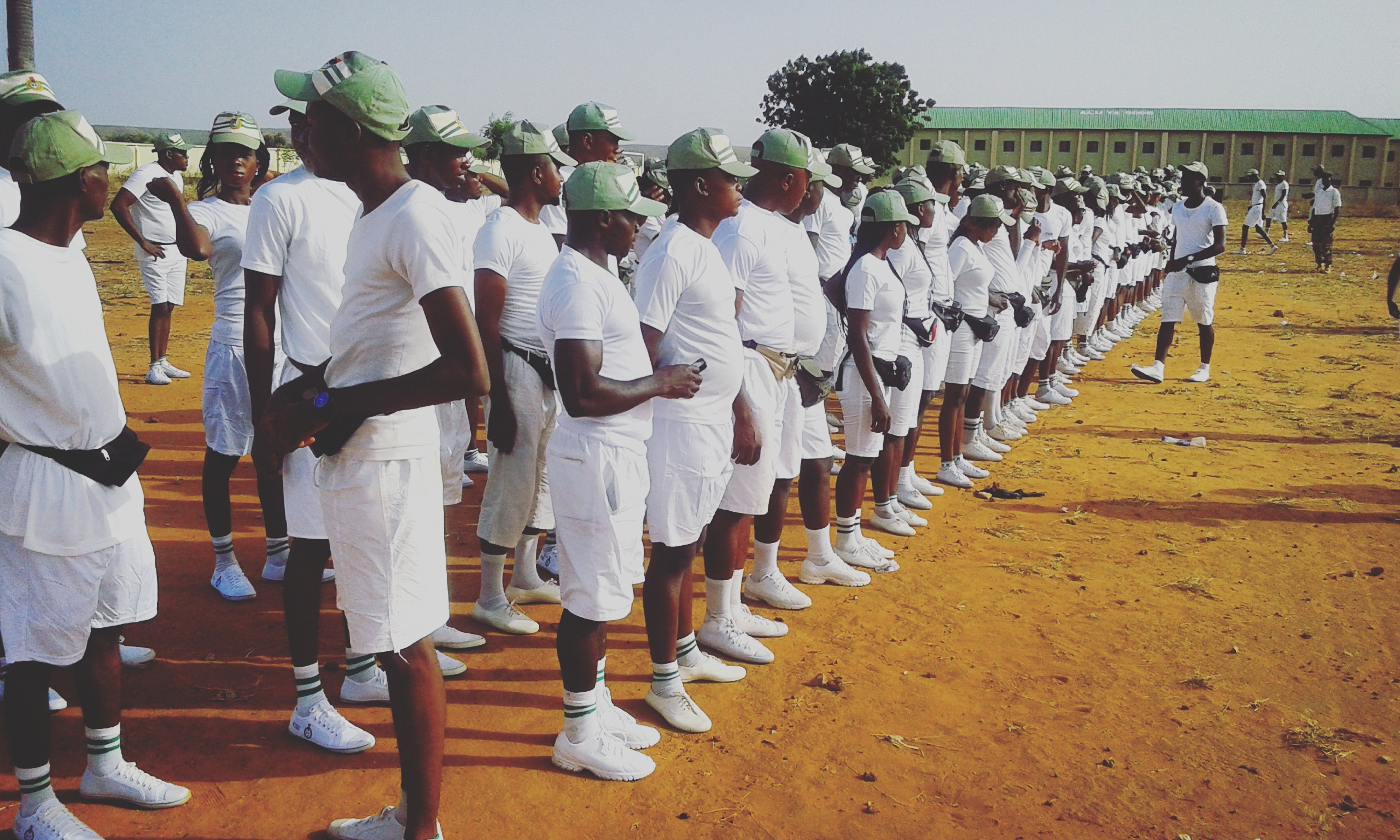
  • Notes from Sokoto

    IMG_20151031_034758

    Part 1Middle of orientation camp in Wamakko

    The NYSC experience so far has helped me appreciate life and the opportunities Lagos has to offer. Downsizing has led to a strangely richer life. It has focused my attention and created space for meditation and reflection – the quiet necessary for thinking about life’s important issues.

    (more…)

  • Remembering Mayor Menino

    14-7512-MENINO2-065

    Thomas Michael Menino was laid to rest on November 3, 2014 in Hyde Park a little more than a week after suspending his cancer treatments to spend his final days with his family. My feelings about his passing are nowhere as important as those of his family, friends, and mentees, but I am sad that I did not get the chance to know him as well as I wanted to.

    I was actually scheduled to meet with him on October 1, but bad weather threw off his schedule and I was trapped in the limbo of trying to reschedule an appointment with a very busy and important person.

    However, due to my persistence that day, I was able to catch a glimpse of him seated at his grand desk at the BU Initiative on Cities. I told everyone that I spoke to in the following days that it felt like his office at City Hall had been picked up and dropped into 75 Bay State Road. I was in business casual attire that day and I felt very underdressed. That was the last time I saw him in person.


    My earliest memories of Mayor Menino were formed in my undergraduate years. I probably saw his name somewhere on the route to Logan Airport every time I had to fly out of state. By the time I graduated and was commuting into the city from North Quincy, I was convinced that that he had a massive ego. In case you may have failed to notice (or are legally blind), Mayor Menino’s name is everywhere. His name welcomed you to every Boston neighborhood, major public space, and transit hub. I’m convinced that Mayor Walsh will not be able to change the last of Mayor Menino’s signs until his last day in office. (I also have a theory that Boston’s mayors do this to keep their successors on their toes, but that’s an aside.)


    I first met Mayor Menino in person on September 18, 2014 at an Initiative on Cities Seminar titled “The Open City: How Can Open Data Serve the Public Interest?” I got there late because I spent too much time at BU’s Sustainability Festival and by the time I arrived, I had to stand at the back of the room. I really had gone there to hear Nigel Jacob, co-founder of New Urban Mechanics (one of Mayor Menino’s innovative programs) and Dan O’Brien of the Boston Area Research Initiative, and seeing and hearing the original Urban Mechanic was icing on the cake. I remember that he shared his experiences during the 2013 Boston Marathon crisis and emphasized the need for open communication between city governments and city residents.

    After the discussion was over, I sat in the back and waited for my opportunity, and then went up to introduce myself and shake his hand. I will never forget his baseball bat cane. I don’t exactly remember what we said, but I vividly recall that he gave me all of his attention even though it wasn’t easy for him to move around and he had to attend to other matters. So, you can understand why I could hardly keep it to myself when I found out that I was scheduled to meet with him and Katharine Lusk, the executive director of BU IoC.


    Mayor Menino was by no means a perfect man, but his dedication to the City of Boston and its residents set him apart. In his last chapter, he expanded his focus to advocate for better governance and sustainable cities in the United States and beyond. I’m glad that I had the opportunity to meet him and my thoughts and prayers go out to his family and the other people who miss him.


    What I tell people going into government is, you’re helping people, and that should be your first goal. You have to adjust to situations, so what you do still has meaning. I’d like young people to think about going back to government, and helping out — to get the “Me” generation to think about being an “Us” generation.
    Mayor Thomas Michael Menino


    This post originally appeared on Medium. I think it’s easier to read there.

  • Community and Sustainability

    Community members praying in the chapelA while ago, I read “The Digital Cathedral in the Age of Democratic Sustainability” by Dr Peter Bardaglio, a Senior Fellow at Second Nature, Inc and Coordinator of the Tompkins County Climate Protection Initiative. I was overwhelmed the first time I read it – there were so many interesting ideas wrapped in one place. It was probably also due to the fact that I had been reading lighter articles and blog posts leading up to his article.

    I decided to read the article again a few days later, when my mind was less cluttered and I could actually do some ruminating. It turns out I was right about there being a lot packed into the article, but I also found that I could pick out some of the major themes for further exploration. One of the themes that resonated with me is contained in the third paragraph:

    Community is the essential concept underpinning sustainability. Whether an ecosystem or social system, the dynamics of interconnectedness and interdependence are what make growth and health possible. In medieval society, the cathedral embodied this understanding of what was known at the time as the “Great Chain of Being.” An awe-inspiring structure, the cathedral by its physical presence affirmed the vertical hierarchy that held medieval society together, and its construction gave individuals in the community a clear and compelling sense of their place in the world and the links that bound them to each other. “Building a cathedral,” says Robert Scott in The Gothic Enterprise: A Guide to Understanding the Medieval Cathedral, “entailed an ongoing, difficult, yet energizing form of collective enterprise in which people could take enormous pride and around which they could rally a community.”

    The first reason why this stands out to me is because I began to realize the importance of this connection between community and sustainability while reflecting on my graduate school plans as an intern at Second Nature. This idea was also part of the introductory training program I took on The Natural Step framework, and it makes a whole load of sense when you think about it. A system cannot be sustainable when its different parts are running at cross-purposes.

    Although each organ in the human body has a different function, they all work together to keep the body alive and promote its well-being. In nature, we can observe this in ant colonies and in the symbiotic relationships between some species. It’s cool to see Egyptian Plovers that clean the teeth of crocodiles (reputedly) and Hermit crabs carrying sea anemone on their recycled snail shells. These animals have found win-win solutions in their relationships.

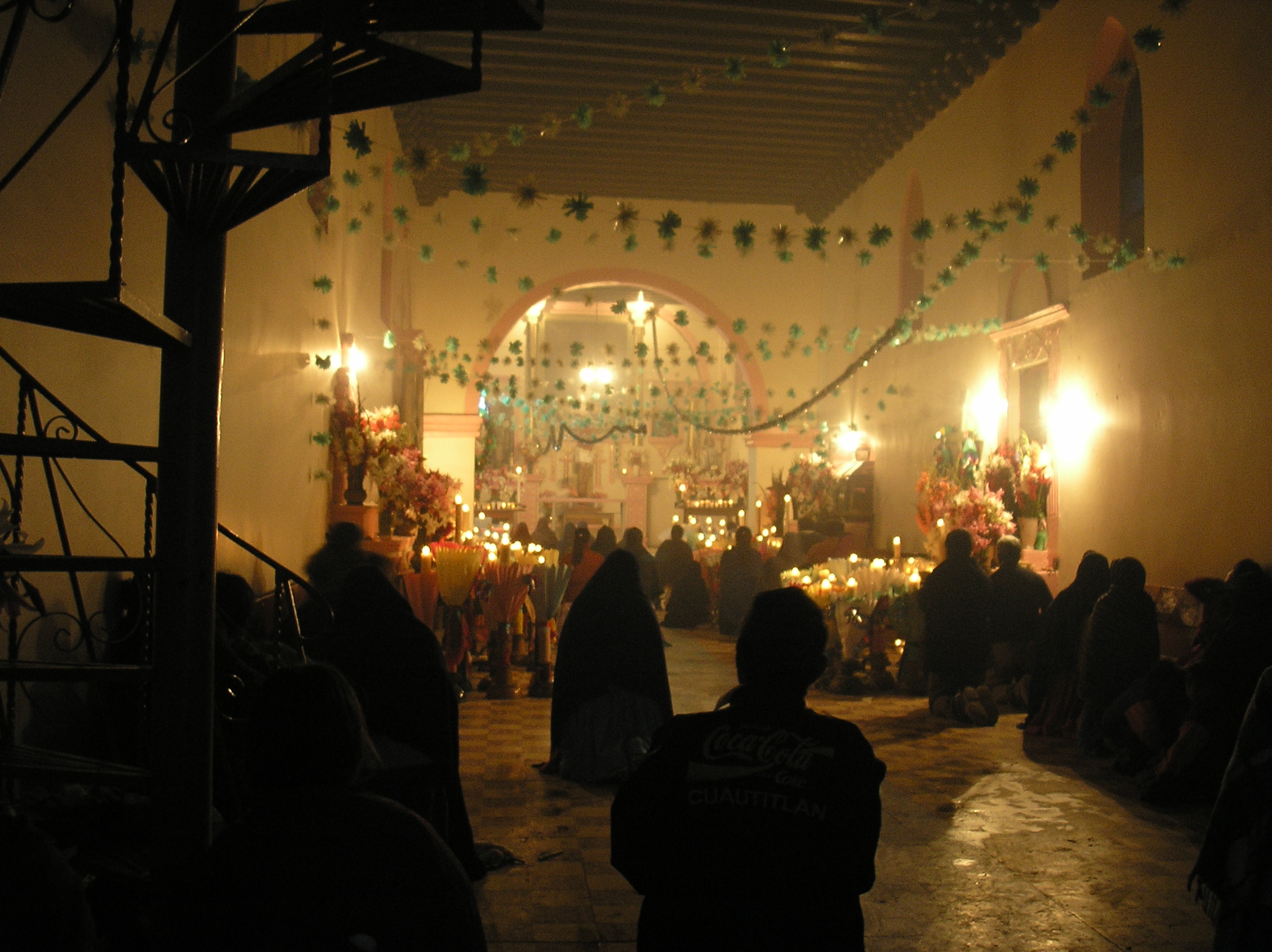
    The second reason the idea of community being essential to sustainability resonates with me is because of Dr Bardaglio’s illustration of the bonding of a medieval community around a cathedral. I had the chance to see something similar to this in 2006 in the town of San Ildefonso Tultepec, Amealco, Queretaro, Mexico. The people of San Ilde have been maintaining their local chapel since the Spanish missionaries founded the church hundreds of years ago. After the first group of missionaries left the area, the people of San Ilde kept on reciting the prayers they were taught and maintained the church – much to the surprise of the next group of missionaries who found these Otomi Indians praying in Spanish.

    Every month (I believe), a family in the town is tasked with coordinating the upkeep of the church. One Saturday each month, the whole community gathers to clean and re-adorn the church, and gather in communal worship. It is one of the most amazing things you could see. The ceremony begins hours before sunrise and ends between 7 and 8am. Most of the community gathers in prayer and celebration, and their faith and bonds are strengthened. I was there with a small group organized by Assumption College’s Campus Ministry office, and we were all moved.

    So, I agree with Dr Bardaglio when he says that community is essential to sustainability. I think that if we can find (or create) shared traditions like this one, provide incentives by showing what each stakeholder can gain, and work hard at them, we can help to create a more sustainable society.

    What do you think?


    Note:
    You can see some photos from the chapel in San Ilde here.

  • What is Coffeeshopification?

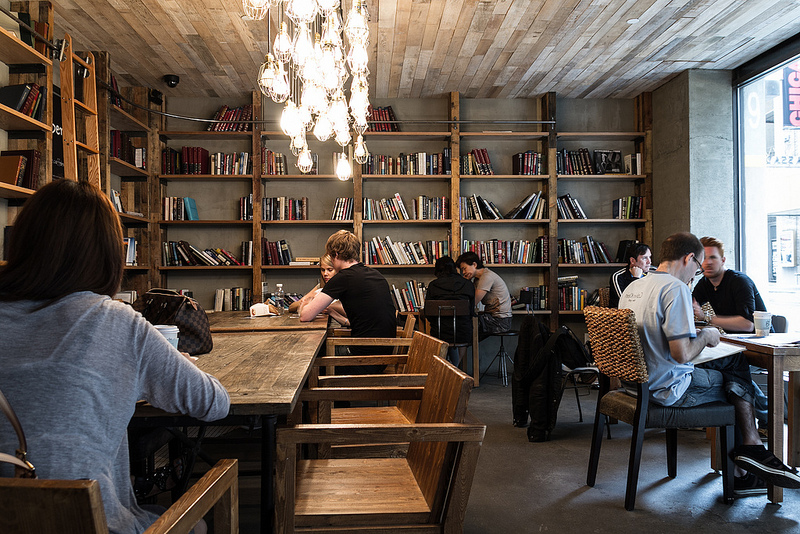
    Coffee Shop by NeoIIIn a TreeHugger article last year, Lloyd Alter, TreeHugger’s architecture and design guru, wrote about an idea shared by Stephen Gordon at The Speculist last year — coffeeshopification. Alter states that the idea “may mark a possible reversal of the trends we have seen toward the big box in the suburbs, and a possible revitalization of our main streets.”

    Some of what ‘coffeeshopification’ means is that:

    Consumers will pay for only what they want. In higher education, for example, students will only pay for classes that make them more qualified for the jobs they want, avoiding the “unnecessary” classes. Classes themselves will be more about networking and peer tutoring than about lectures.

    Due to advances in mobile technology, customers will browse store selections and make the majority of their purchases online. Barnes and Noble will essentially be its Starbucks coffee shop. You can buy books through the nook store over the free Wi-Fi, socialize with people, or just find a cozy spot to read and enjoy some refreshments.

    Retail stores will become places to make the products that you can’t put together at home. DIY has become less of a trend and more the norm. You are more likely to have near-instant access to the information to build and assemble things, and you’ll need the big stores for the things you can’t make at home.

    Offices will become more flexible and more about organizing into teams for specific projects and reorganizing for the next challenging adventure. We’ll share a server, printers and a conference room, but we won’t need much more than that.

    While Alter briefly examines his relationship with his students, Gordon points out that his Church has been ‘coffeeshopified’ already. He points out that “they buy Land of a Thousand Hills coffee to aid war ravished Rwanda, and the profits go to missions.”

    Gordon notably points out that the underlying desire is “to be a community hub: a place where people — most especially those who don’t normally go to church — are comfortable. I’m not a coffee person, but I think I understand what both Alter and Gordon are talking about. We want things to be simple, we’re growing tired with the old way of doing things, and we just want something that works.

    What do you think about this idea?


    Notes:

    1. This article looks prettier on Medium.
    2. The image is “Coffee Shop near Times Square” by Neo_II on Flickr
  • Pine Street Inn

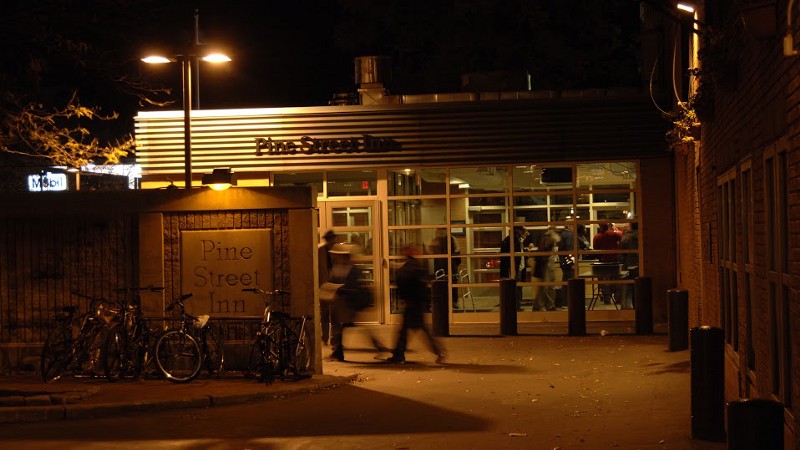
    Photo: Pine Street Inn on Google+

    A while back, I visited Pine Street Inn, a nonprofit organization working to end homelessness in Greater Boston. Paul Sullivan co-founded Pine Street in 1969 to serve 200 men struggling with alcoholism and today the organization serves around 1,600 individuals each day. The organization is currently located in the triangle between Chinatown, the South End, and South Boston.

    The focus of my research proposal for Urban Research Methods (UA 703) is adolescent homelessness in Boston and part of the planning process involved interviews of individuals involved in our research topics. Although Pine Street does not focus on homeless youth, it is a highly regarded organization with knowledge and experience applicable to my research. They recently received a Neighborhood Builders Award from Bank of America, are spoken well of in local and national media reporting, and serve approximately 11,000 individuals each year.

    I was able to speak with Scotty, the main contact for volunteers at Pine Street, and Captain Mike, one of Pine Street’s case managers. Scotty introduced me to the intake process that new clients go through and pointed out the importance of the “Housing First” model to the team — Pine Street has 800 formerly homeless individuals in permanent housing. In February 2012, in an opinion piece written for Spare Change News, Executive Director Lyndia Downie wrote:

    This strategy of targeting the longest-term shelter occupants and creating barrier-free housing has contributed to a six-year, 30 percent decrease in the number of homeless individuals on the streets and in shelters in Boston. There is no question that this innovation has been successful; we at Pine Street are committed to this approach so that we can truly meet our mission of ending homelessness.

    Scotty mentioned that the organization’s housing program has grown over the past decade and has a retention rate of over 80 percent. In addition, Pine Street has initiated two social enterprise programs: iCater and Boston HandyWorks. Both provide training opportunities for individuals in transition and generate revenue to ensure more people can benefit from the programs.

    Like many charitable organizations, the main challenge the organization faces is obtaining funding. More homeless individuals should have access to the services that Pine Street provides to its clients. Although the organization is supported by the Commonwealth, the funds provided have remained at the same level for some time, which makes expansion and innovation a bit of a challenge. Pine Street has responded with fundraising campaigns like Ending Homelessness: The Campaign for Pine Street Inn.

    Captain Mike shed more light on the work that Pine Street does with Boston’s homeless population. Having worked for the organization for more than 30 years, he has witnessed the organization’s evolution from a residential shelter for hardcore alcoholics to a provider of supportive housing, independent skills training, and employment-oriented education.

    When I inquired about the challenges that the organization faced, he mentioned the need for more case managers and outreach workers to deal with the increasing number of homeless individuals in the city as a result of the state of the economy. Pine Street also runs outreach programs on-foot in the mornings and by van at night to reach individuals across the city.


    The main focus of my research is the relationship between homeless service providers and homeless youth. My driving question is:

    “Why do significant numbers of adolescents experience homelessness in the City of Boston when both the government and charitable organizations are heavily invested in solving the problem of youth homelessness?”

    I shared a diagram of my approach to the topic a few weeks ago. Using portions of my handy interview protocol I was able to explore a piece of this problem with Captain Mike.

    He indicated that case managers deal with numerous cases, and each one of those cases is different. There are cultural differences, age differences, gender and identity issues, mental health issues, and other reasons why clients come through Pine Street’s doors. In response, Captain Mike has developed and honed a strategy for identifying the clients who are ready to do the work necessary to stay on the path out of homelessness.

    He makes sure that he makes eye contact with everyone who walks through the doors to get a basic sense of who they are. Then when he meets with new clients, he looks out for clients who follow through on their responsibilities. The baseline test is a request that his new client makes and attends an appointment for a basic checkup with the on-site physician. Captain Mike emphasized that most of the work will be done by the client and their performance on this test demonstrates if they are willing to do what it takes to get housed.

    It was evident that Captain Mike takes pride in his work. When I asked about cases that stood out in his memory that he could share (while respecting his clients’ privacy, of course) he mentioned one client that he had known as a child. As an adult, he was able to help this client access Pine Street’s services and eventually supportive housing. He mentioned the pride he sees in clients’ faces when they can finally show their key rings — with the treasured key to a place of their own.

    He expressed his belief in Pine Street’s model, and his admiration of the training program in food services (I believe this is linked to iCater)—watching the graduation ceremony in the spring is one of the highlights of his year. He ended our discussion with a tour of the first floor, showing me the free laundry facilities, the rentable lockers, and the shelter beds that have to be allocated by lottery due to high demand.

    This visit and my conversations with members of the Pine Street team have made me a fan of the organization. They truly work to be a “community of respect and hope” for every one of their clients. I hope that beyond this research proposal I’m able to support the work that they do in the near future.

    You can read more about the Housing First model on Pine Street’s website.


    Note: This article looks prettier on Medium.