*This article was published on LinkedIn in July 2023
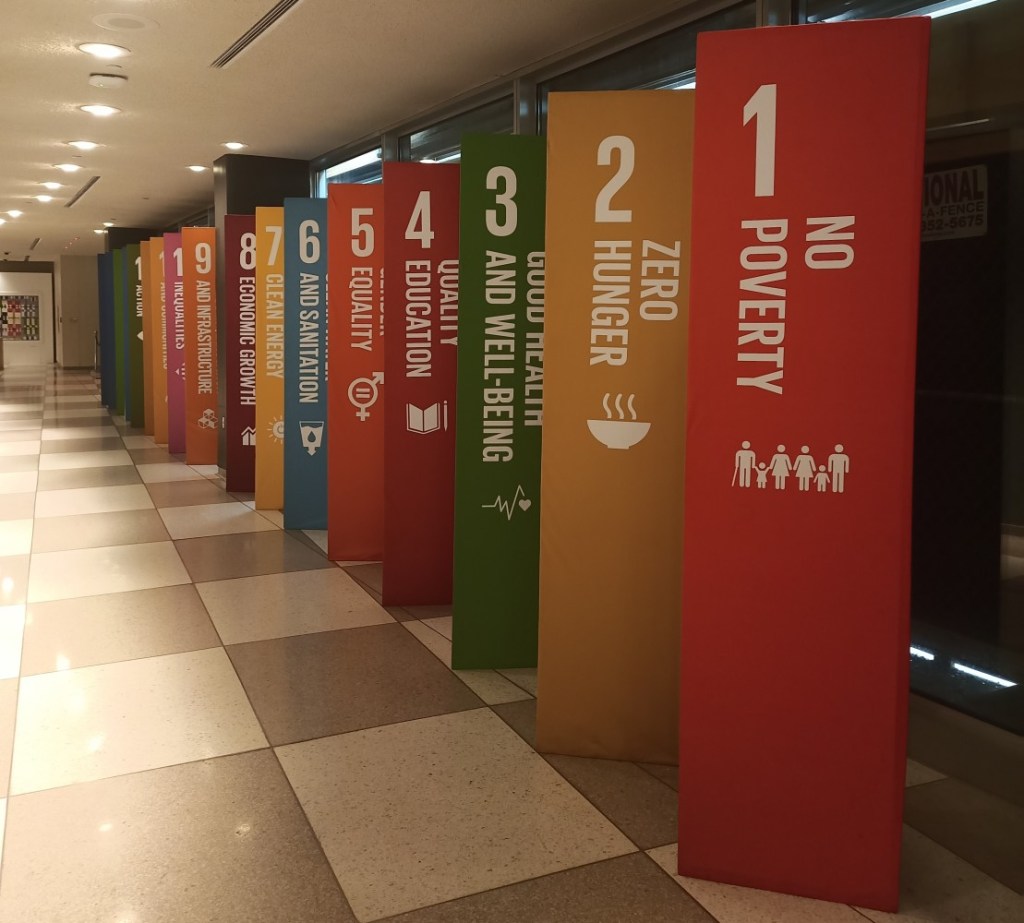
Last month, I was in New York and had the opportunity to attend the 16th Conference of State Parties on the Convention on the Rights of Persons with Disabilities (COSP16) at the UN Headquarters in Manhattan.
I must confess that I was a bit apprehensive about attending the conference. I am neither a disability subject expert nor do I have much diplomatic experience, but I came to accept that I would be attending the conference to learn from the experience and expertise of others. I also found out that the issue of sexual and reproductive health and rights of people with disabilities (PWDs) was a sub-theme of this edition, and so I felt more confident that I would be able to create some value for my employer.
As such, I decided that my objectives for the conference were to: learn about ensuring young people living with disabilities have access to SRH services; and acquire informative materials on disability issues to contribute to AHI’s programmatic efforts.
A few days after I arrived in NYC, I went to get my first UN Grounds Pass from the UN Pass and ID Unit on East 45th Street. I went there in jeans and a hoodie because I was still acclimating to the weather differential between NYC and Lagos – that weird zone of being slightly cold and weirdly hot simultaneously. When I got there, most of the men were wearing suits and ties, so I immediately felt out of place. Talk about imposter syndrome. I was eventually able to submit the required documents proving my identity, that I was from an accredited organization, and that the head of the organization had approved me to receive a pass.
After I received my pass, I made my way to the UN Headquarters through the UN Visitors’ Centre and stopped by the Civil Society Forum that was being held the day before the main conference kicked off. It was an awesome feeling being in the conference room with representatives from global organizations who had come to ensure that the rights of persons with disabilities were protected and promoted.
Over the next three days, I had the chance to hear from UN Secretary-General António Guterres; Ghanim Al Muftah, the Youth Representative from Qatar; Sadam Hanjabam of Ya_All: The Youth Network, Manipur, India; and others about the issues facing PWDs.
The first crucial insight that I gained was that 1.3 billion people live with significant disabilities globally. This means that 1 in 6 persons is currently experiencing a disability, according to the WHO, and almost everyone will temporarily or permanently experience disability at some point in their life.
I also learned that people living with disabilities are also three times more likely to experience forms of violence than those without disabilities. They also experience multiple forms of intersectional discrimination based on their identities. People may discriminate against them because of their disability, but also because of their race, gender, and sexual orientation.
The organizations participating in COSP16 also pointed out that people living with disabilities tend to have lower levels of literacy, which results in lower levels of technology literacy, which leads to lower levels of health literacy as the providers increasingly digitalize the resources they need.
Lastly, I learned that despite these differences, people living with disabilities, particularly young people living with disabilities, share the same concerns about sexual experience, identity, etc. as their other peers. One particularly informative video shown by United Nations Population Fund (UNFPA) depicted the experience of a young person living with a disability and their experience trying to establish a romantic relationship with a peer. The video showed how stereotypes negatively influenced the experience and how much learning the rest of us need to do to ensure that people living with disabilities (PLWDs) can fully enjoy their human rights.
I cannot now claim to have become an expert on disability issues, but I have come back from that experience with a greater appreciation of the struggles that PWDs face and the need to do my part to ensure that they are not marginalized or ignored.
Upon my return to Lagos, I recommended that AHI:
- Utilize the resources I obtained during COSP16 to inform AHI’s programming and grant writing.
- Provide training to healthcare workers to ensure they treat PLWDs with dignity and respect and avoid stereotypes.
- Provide information in accessible formats such as easy-read, braille, audio recordings, and sign language translations.
- Provide Disability Equality Training (DET) to AHI staff and program beneficiaries to contribute to a positive change in attitude by non-disabled course participants.
As time progresses, we are taking more steps to ensure that we carry along as many people as possible. Some changes will require spending more to get across our message about the need to listen to the voices of young people and address their reproductive health and development needs.
I am glad I attended COSP16 and I hope that by COSP17 I’ll be able to share the strides that we have made. I think I also have a sense of what makes international development conferences so exciting to attend and I look forward to further immersing myself in the field.
 @esietukeme
Leave a comment